Pastoral Care Philosophy and Approach

Header image
Pastoral Care-2
Content
Section Content
Heading
Student Wellbeing Philosophy and Approach
Level
2
Content

At St. Francis Xavier College, we are committed to fostering a safe, supportive, and inclusive environment that promotes the wellbeing and learning of every student. Our wellbeing approach and philosophy is grounded in the principles of the Berry Street Education Model, Positive Psychology, and trauma-sensitive practices. These frameworks guide our approach to developing resilient, respectful and engaged learners who thrive in their academic pursuits to reach their full potential.

Padding bottom
None
Padding top
Small
Full width
Off
Add Background
Off
Section Content
Heading
Berry Street Education Model
Level
2
Content

The Berry Street Education Model (BSEM) is a research-based, trauma-informed approach to education that focuses on improving student engagement and wellbeing. It is designed to support all students, particularly those who have experienced adversity or trauma, by creating safe, predictable, and inclusive learning environments. The model equips our educators with strategies to enhance students' emotional regulation, relationships, and readiness to learn. Staff at St. Francis Xavier College will engage in BSEM training in 2025. Please see further information here: Berry Street.

Padding bottom
None
Padding top
None
Full width
Off
Add Background
Off
Section Content
Heading
Trauma-sensitive practices
Level
2
Content

Trauma-sensitive practices in schools focus on creating a safe, supportive, and inclusive environment that acknowledges and responds to the impact of trauma on students' learning, behaviour, and wellbeing. These practices aim to build trust, foster resilience, and ensure all students feel valued and capable of success. Trauma is defined by the National Institute of Mental Health (2012) as “the experience of an event by a young person that is emotionally painful or distressing, often resulting in lasting mental and physical effects” and can have a large impact on children socially, academically, emotionally and developmentally.

At SFX, we recognise the profound effect trauma can have on a young person. This awareness shapes our interactions and approaches with students. We address the role of trauma in students’ lives by:

  • Creating a safe environment: We focus on both physical and psychological safety to help students feel secure. Relationships are at the heart of all learning and behaviour. We prioritise building strong, positive connections between students, staff, and the broader school community.
  • Establishing structure and predictability: Clear, consistent routines and expectations foster a sense of stability.
  • Demonstrating empathy and sensitivity: We validate students’ experiences and provide compassionate support.
  • Recognising individuality: We understand that the impact of trauma varies from student to student.
  • Being mindful of triggers: We are attentive to topics and discussions that may remind students of their traumatic experiences.
Padding bottom
None
Padding top
None
Full width
Off
Add Background
Off
Section Content
Heading
Positive Psychology
Level
2
Content

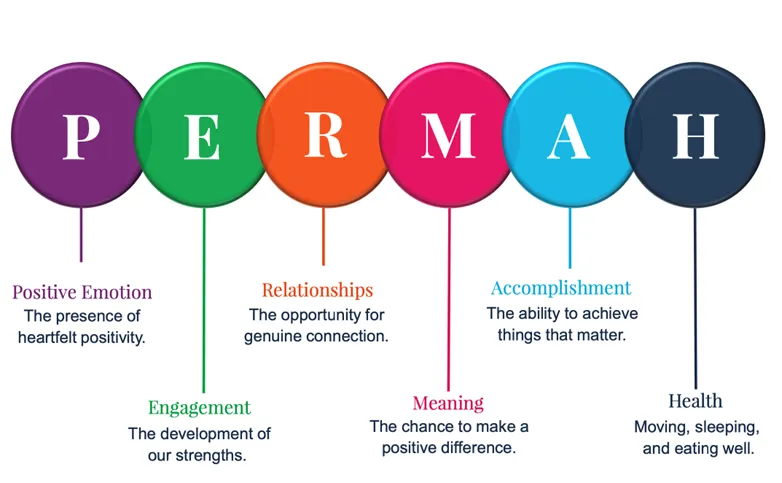
The Positive Psychology Education Model applies the principles of positive psychology to school settings, focusing on fostering students' wellbeing, resilience, and engagement alongside academic achievement. This approach emphasises strengths-based practice, the cultivation of positive emotions, and the development of skills that enhance students' overall flourishing. At SFX, we utilise this model to equip students with skills and confidence to address challenges, promote and sustain a healthy balance of positive and negative experiences, fostering an optimal state of wellbeing.


PERMAH Diagram (Seligman, 2012)

Seligman, 2012

Padding bottom
Small
Padding top
None
Full width
Off
Add Background
Off